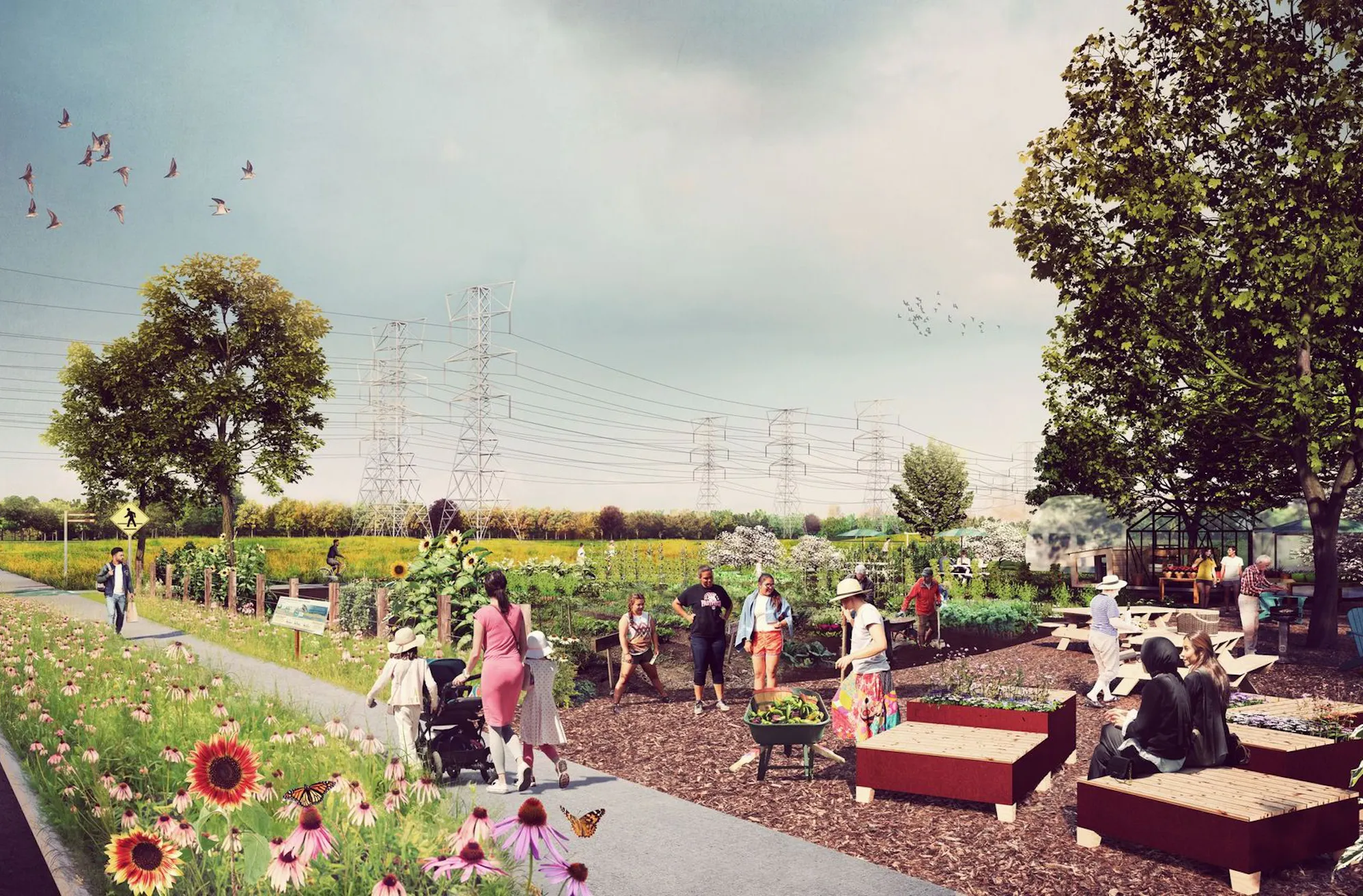
The Durham Meadoway transforms 27 kilometres of underutilized hydro corridor into a regenerative landscape that connects diverse communities across Pickering, Ajax, Whitby, and Oshawa. This visioning study reimagines single-use infrastructure as a multi-faceted destination for people and nature, building pathways for biodiversity while supporting Durham Region's transition to a low-carbon, climate-resilient future.
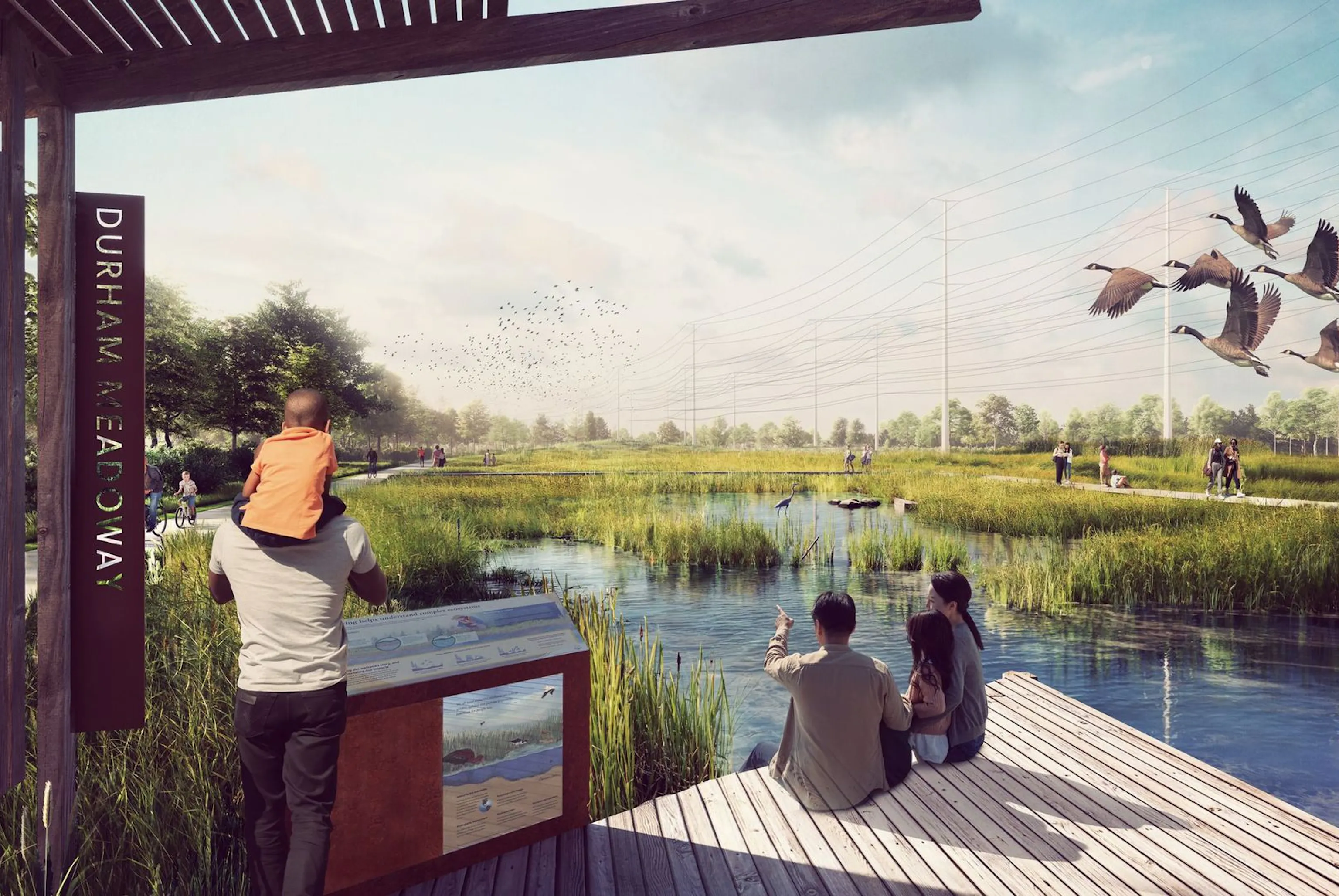
The project offers a once-in-a-generation opportunity to rethink how we use essential infrastructure. Instead of treating the hydro corridor as single-purpose land, we envision it serving multiple functions while still delivering power to the region. Our approach transforms this 27-kilometre stretch into an active transportation route and linear park, connecting existing trails and parks, including the GTA Trail Network and Rouge National Urban Park. Once complete, people will be able to walk, jog, or bike from Oshawa to downtown Toronto - while staying immersed in nature.
Through extensive engagement with municipalities, agencies, Indigenous Communities, and residents, we developed a vision that celebrates Durham's rich diversity. The public realm provides opportunities for cultural expression that honors First Nations, Inuit, and Métis peoples alongside settlers and new immigrants. Community programming creates gathering spaces for markets, festivals, and everyday social connection, while community gardens and interpretive experiences inspire environmental stewardship.
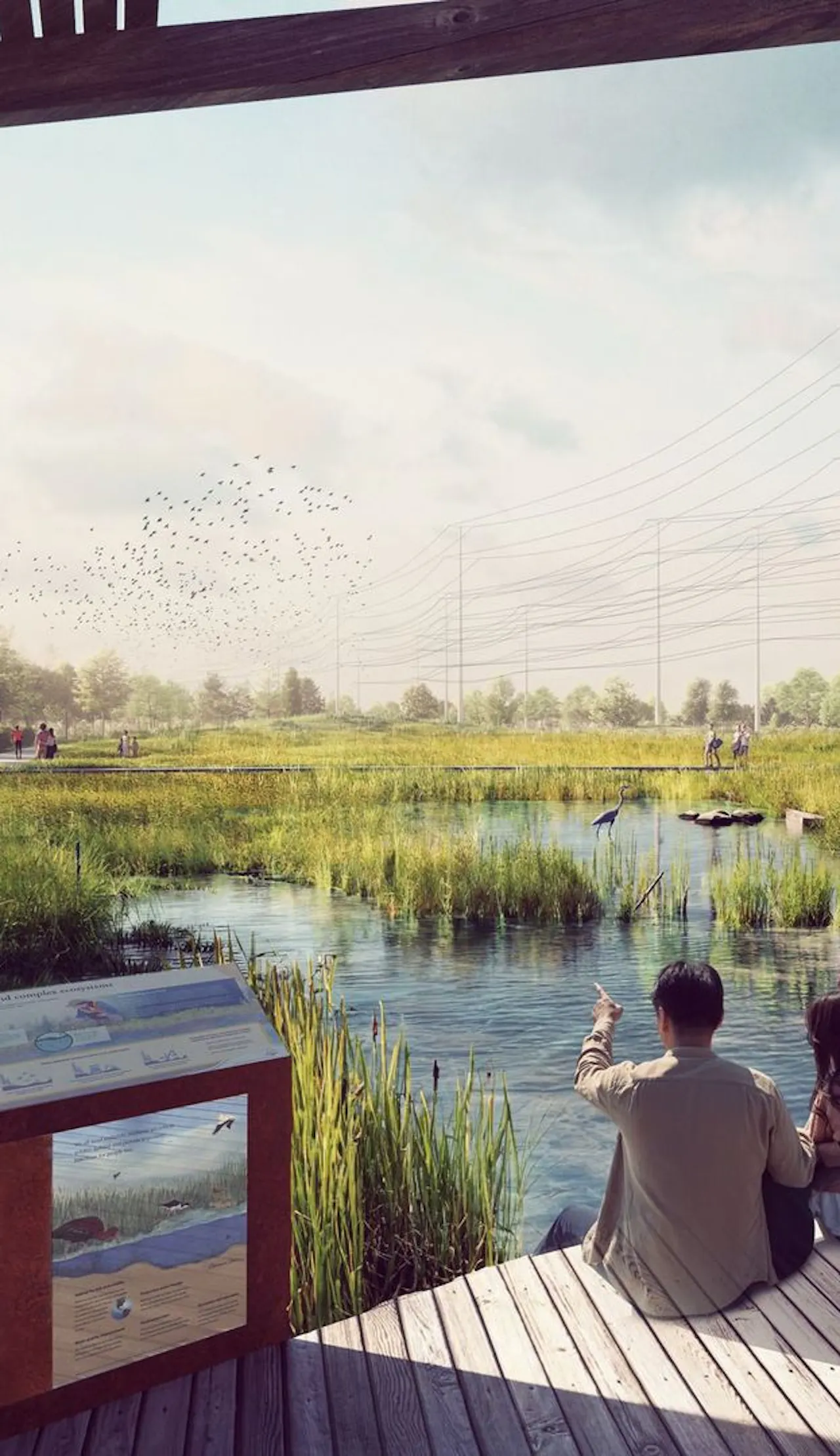
The transmission corridor's inability to support large trees becomes an asset when reimagined as meadow habitat. We designed the landscape to support pollinators, birds, mammals, and other wildlife through native grasses, wildflowers, and plants that thrive beneath power lines. This approach creates crucial biodiversity pathways that connect fragmented habitats across the region while providing educational opportunities for passive learning about local ecosystems. The result is infrastructure that actively regenerates the environment rather than simply occupying it.
With Durham Regional Council's endorsement in August 2024, Stage 1 is complete, providing the foundation for technical studies, design work, and construction that will bring this transformative vision to life.
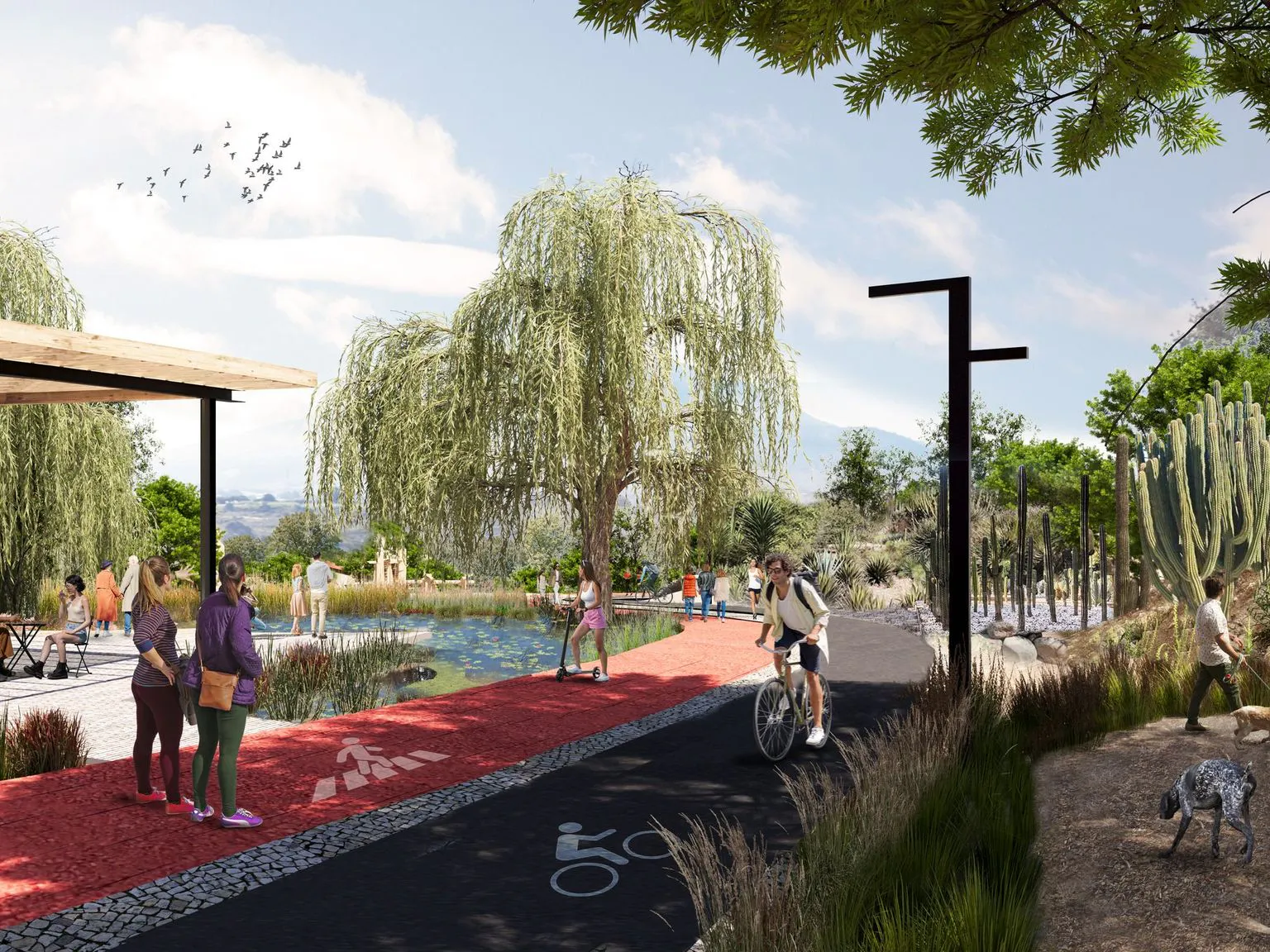
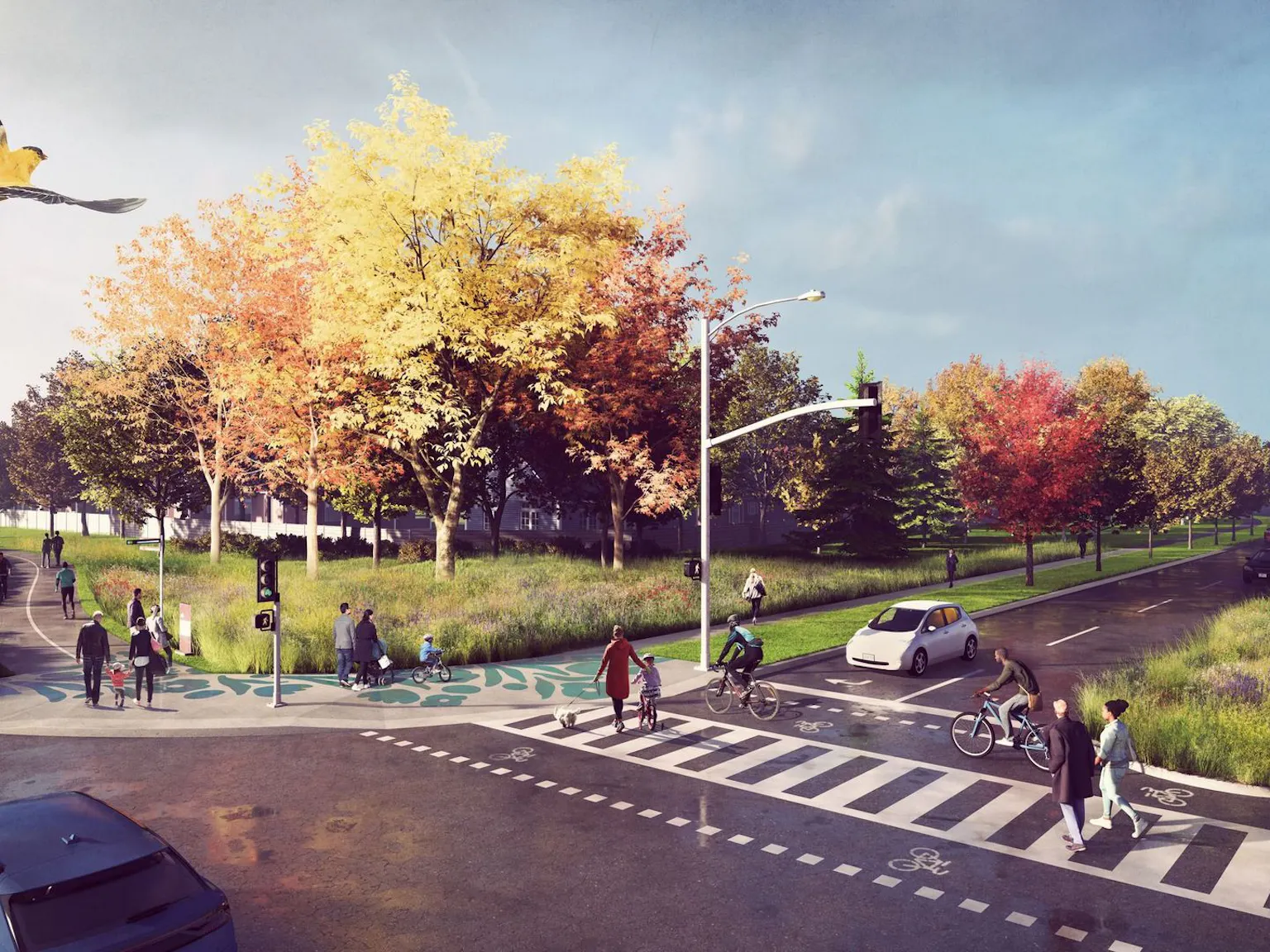
The overwhelming public response during engagement confirmed our confidence in the project's potential, with the most frequent question being, "When can it be built?"